Separated from Bali by a narrow, current-lashed strait, Nusa Penida has spent centuries accumulating myth, mystery, and raw natural beauty in equal measure. Once feared as a place of banishment and dark spirits, this rugged limestone island is now the most talked-about destination in the Indonesian archipelago.
Nusa Penida's earliest recorded history stretches back to the era of the Gelgel Kingdom, the dominant Balinese Hindu dynasty that rose to power in the 14th century following the fall of the Majapahit Empire. The island, known in ancient texts as Nusa Besar, was considered a spiritually potent and somewhat dangerous place, governed by powerful unseen forces. Its dramatic limestone cliffs, crashing surf, and relative isolation from the Balinese mainland made it feel apart from the civilised world — a quality that would define its identity for centuries. Early Balinese communities regarded the island with a mixture of reverence and fear, associating it with the deity Jero Gede Mecaling, a giant fanged demon said to reside there.
The Gelgel Kingdom used Nusa Penida's fearsome reputation to practical administrative advantage, designating the island as a penal colony for criminals, political prisoners, and social outcasts from the Balinese royal court. This practice of banishment reinforced the island's dark mystique and kept voluntary settlement relatively sparse for generations. Despite this, small communities of fishermen and farmers did take root along the island's northern coast, carving out a subsistence living from the sea and the island's thin, rocky soils. These early settlers brought with them the Hindu-Balinese traditions of their homeland, constructing simple temples and maintaining ritual practices that would evolve into the unique spiritual culture visible on the island today.
No single figure looms larger over Nusa Penida's cultural identity than Jero Gede Mecaling, the fearsome giant deity said to dwell at Pura Dalem Ped, one of the island's most sacred and important temples. According to Balinese cosmology, Mecaling is the lord of evil spirits and black magic, commanding an army of supernatural demons that would periodically cross the strait to Bali aboard a fleet of ghostly vessels, bringing plague and pestilence to the mainland population. This belief was so widespread and deeply held that coastal Balinese communities would conduct elaborate purification ceremonies whenever misfortune struck, appeasing the deity with offerings to prevent further supernatural incursions from the island across the water.
Pura Dalem Ped, located near the northern village of Ped, remains one of Bali's six most spiritually significant temples and draws thousands of Balinese Hindu pilgrims each year. The temple complex is considered one of the sad kahyangan jagat — the six world sanctuaries — that together uphold the spiritual balance of the Balinese universe. Elaborate odalan temple anniversary ceremonies are held here on a 210-day Balinese Pawukon calendar cycle, drawing devotees from across Bali who make the crossing by boat to pay homage. The rituals performed at Pura Dalem Ped represent an unbroken thread of spiritual practice connecting modern Balinese Hinduism to its pre-colonial roots, making the temple a living monument to the island's extraordinary religious heritage.
Beyond Pura Dalem Ped, Nusa Penida's cultural landscape is dotted with significant sacred sites that reflect its deep spiritual importance. Pura Batu Medau, a clifftop temple perched above the roaring Indian Ocean, and Pura Paluang, known for its unusual car-shaped shrines, illustrate the island's blend of ancient Hindu tradition with distinctly local interpretation. The island's villages maintain traditional Balinese social structures known as banjar, communal neighbourhood organisations that coordinate ceremonies, cremations, and agricultural cycles. Klungkung Regency, the administrative district on the Balinese mainland to which Nusa Penida belongs, has long recognised the island's spiritual weight, and royal Balinese families from Klungkung maintained ceremonial authority over key island temples throughout the colonial and post-colonial periods.
The Dutch colonial period, which consolidated its grip over Bali following the tragic puputan — the ritual royal mass suicides — of 1906 and 1908, brought administrative change to Nusa Penida but relatively little physical infrastructure. The island remained peripheral to Dutch commercial interests, which were focused on Bali's agricultural export economy and the burgeoning tourism trade that the colonial government began actively promoting in the 1920s and 1930s. Nusa Penida was largely bypassed by this first wave of Bali tourism, remaining a place known to outsiders primarily through legend rather than direct experience. Its limestone plateau and lack of reliable freshwater made large-scale agricultural development impractical, reinforcing its character as a wild and marginal place.
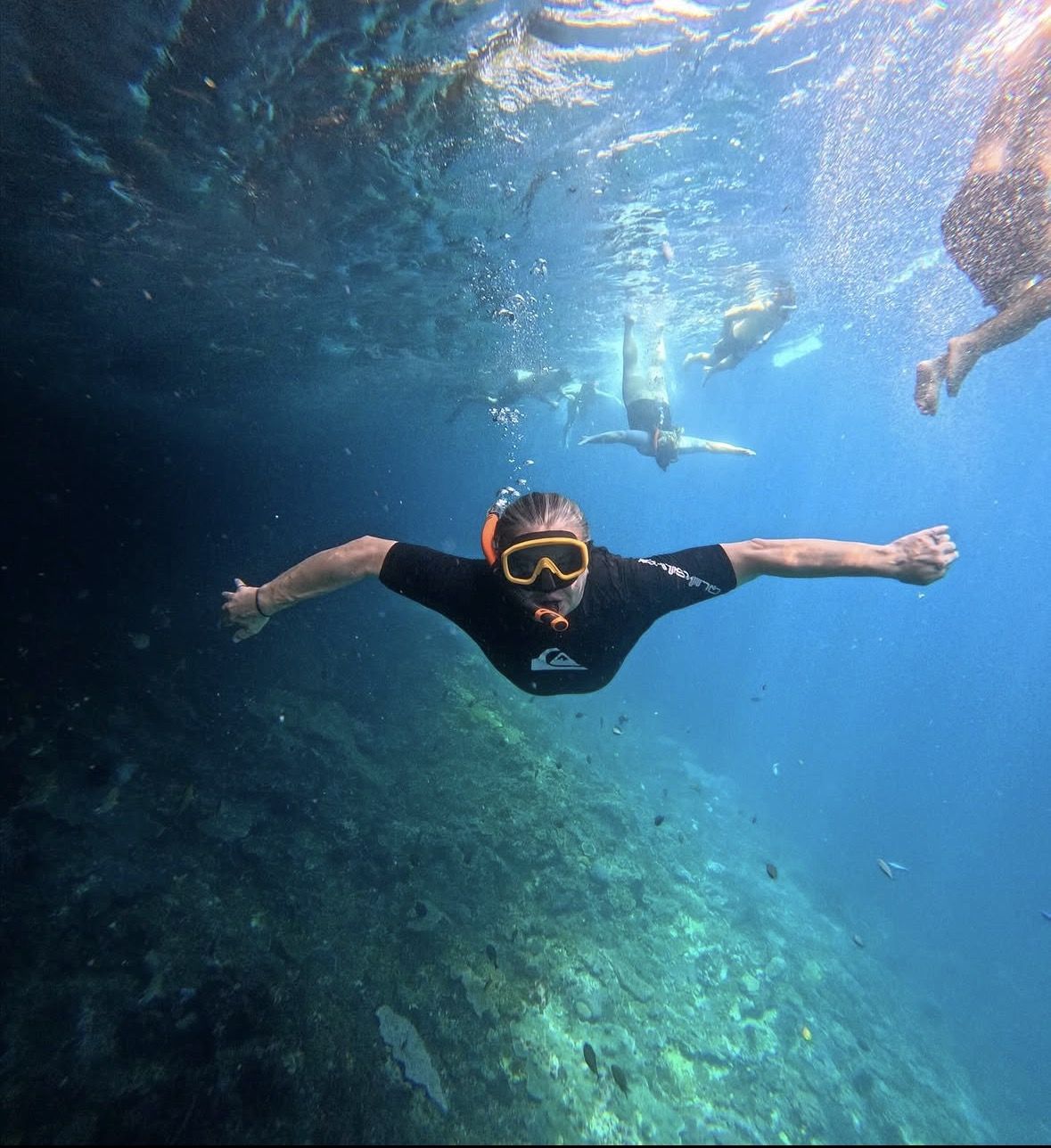
Following Indonesian independence in 1945 and the integration of Bali into the Republic of Indonesia, Nusa Penida was administered as part of Klungkung Regency. For decades after independence, the island remained one of Bali's poorest and most underdeveloped areas, with residents relying heavily on seaweed farming — introduced in the 1980s — as a primary cash crop alongside fishing and small-scale agriculture. The seaweed farming industry transformed the island's economy somewhat but remained vulnerable to disease outbreaks and fluctuating global commodity prices. It was not until the late 2000s and early 2010s that international travellers began arriving in meaningful numbers, drawn initially by the island's world-class dive sites and the extraordinary opportunity to swim alongside oceanic manta rays.
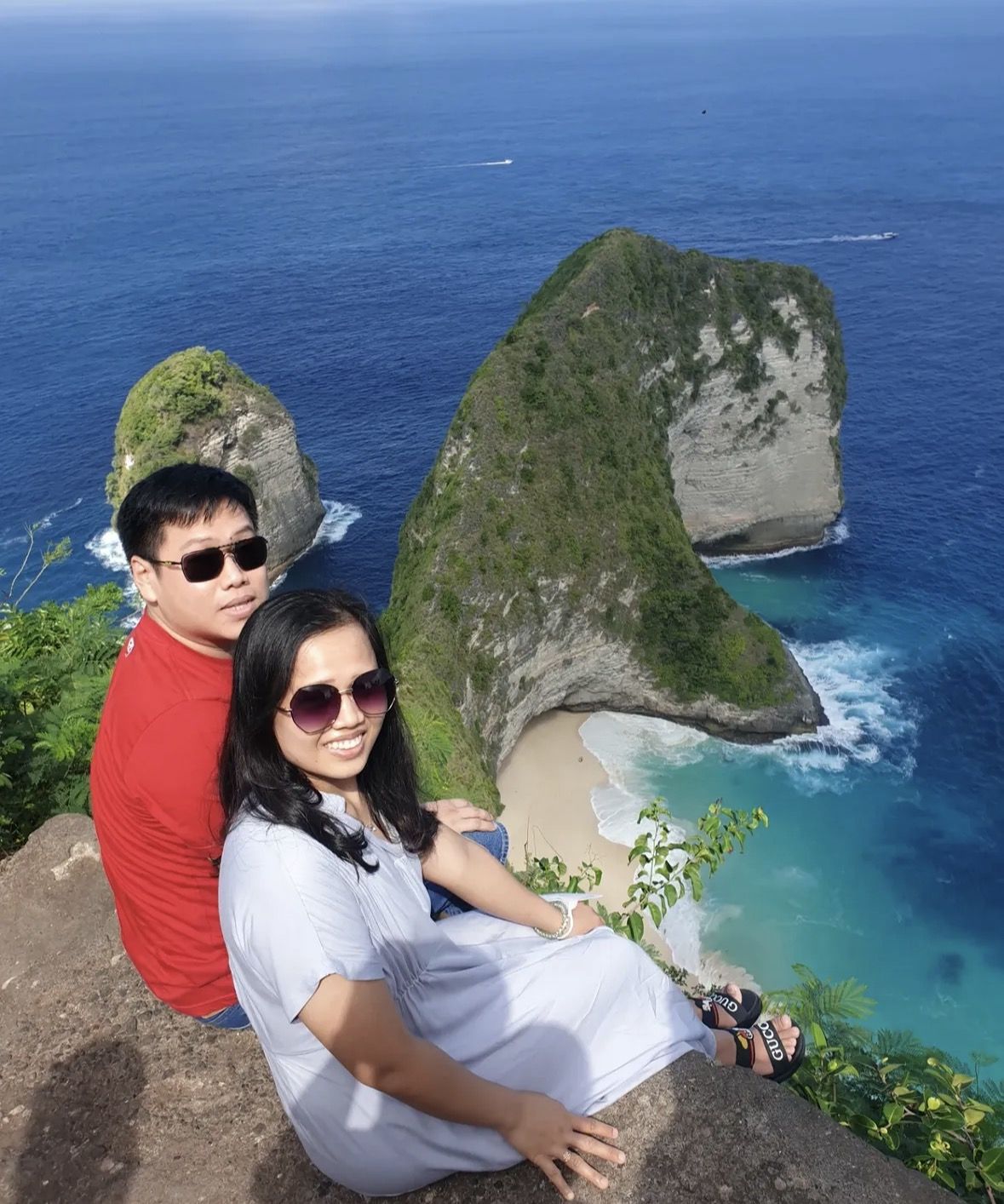
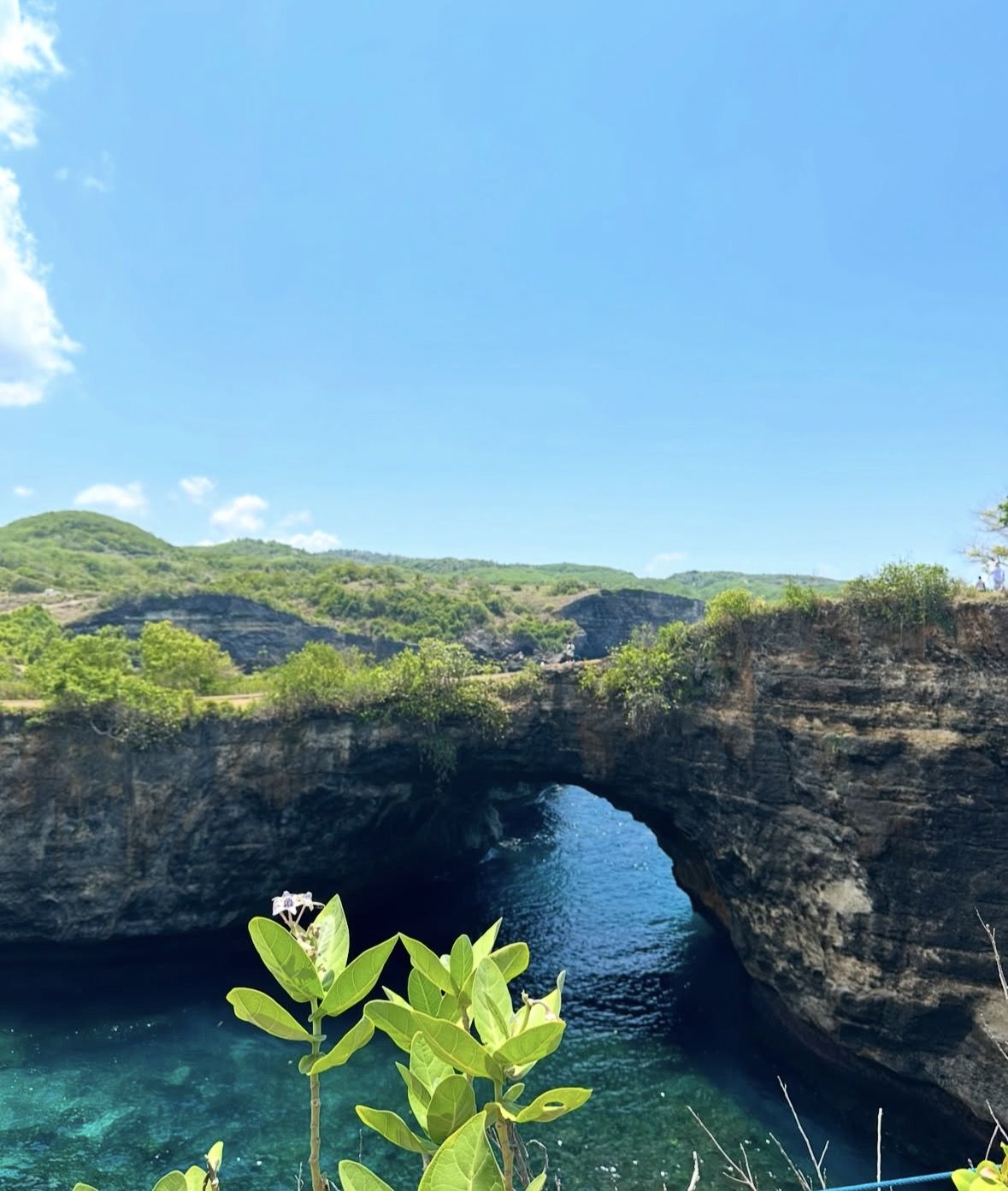
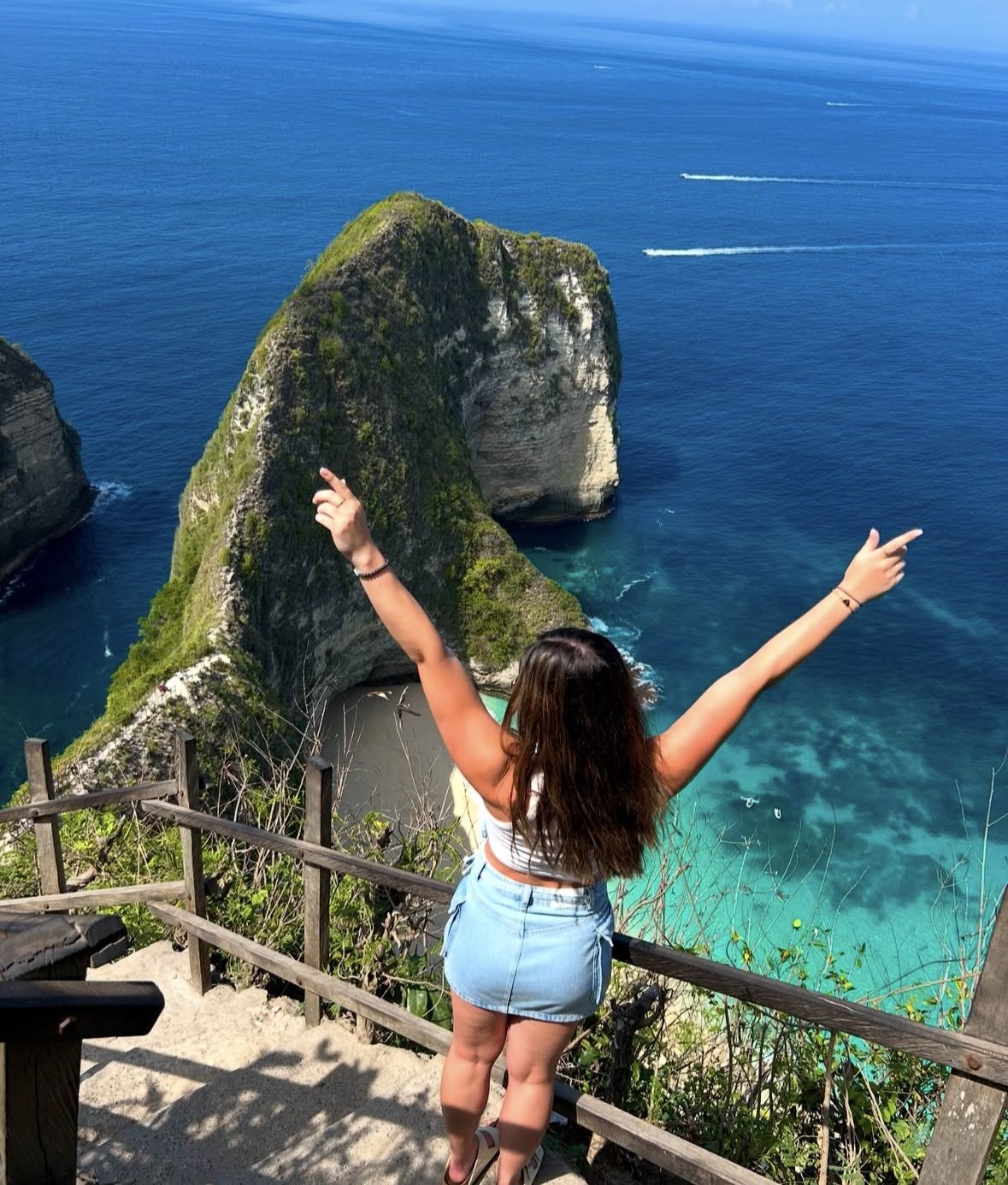
The formal designation of Nusa Penida's surrounding waters as a Marine Protected Area in 2010, covering approximately 2,500 square kilometres of ocean, marked a watershed moment in the island's modern history. This protection, which explicitly banned the hunting of sharks and manta rays, coincided with a global surge in interest in responsible wildlife tourism and helped position Nusa Penida as one of Southeast Asia's premier dive and snorkel destinations. The discovery — or rather the social media rediscovery — of Kelingking Beach's jaw-dropping T-Rex shaped cliff and the crystal-clear waters of Angel's Billabong and Broken Beach accelerated tourism growth dramatically from around 2015 onward, transforming the island's economy almost overnight from subsistence farming to hospitality and tourism services.
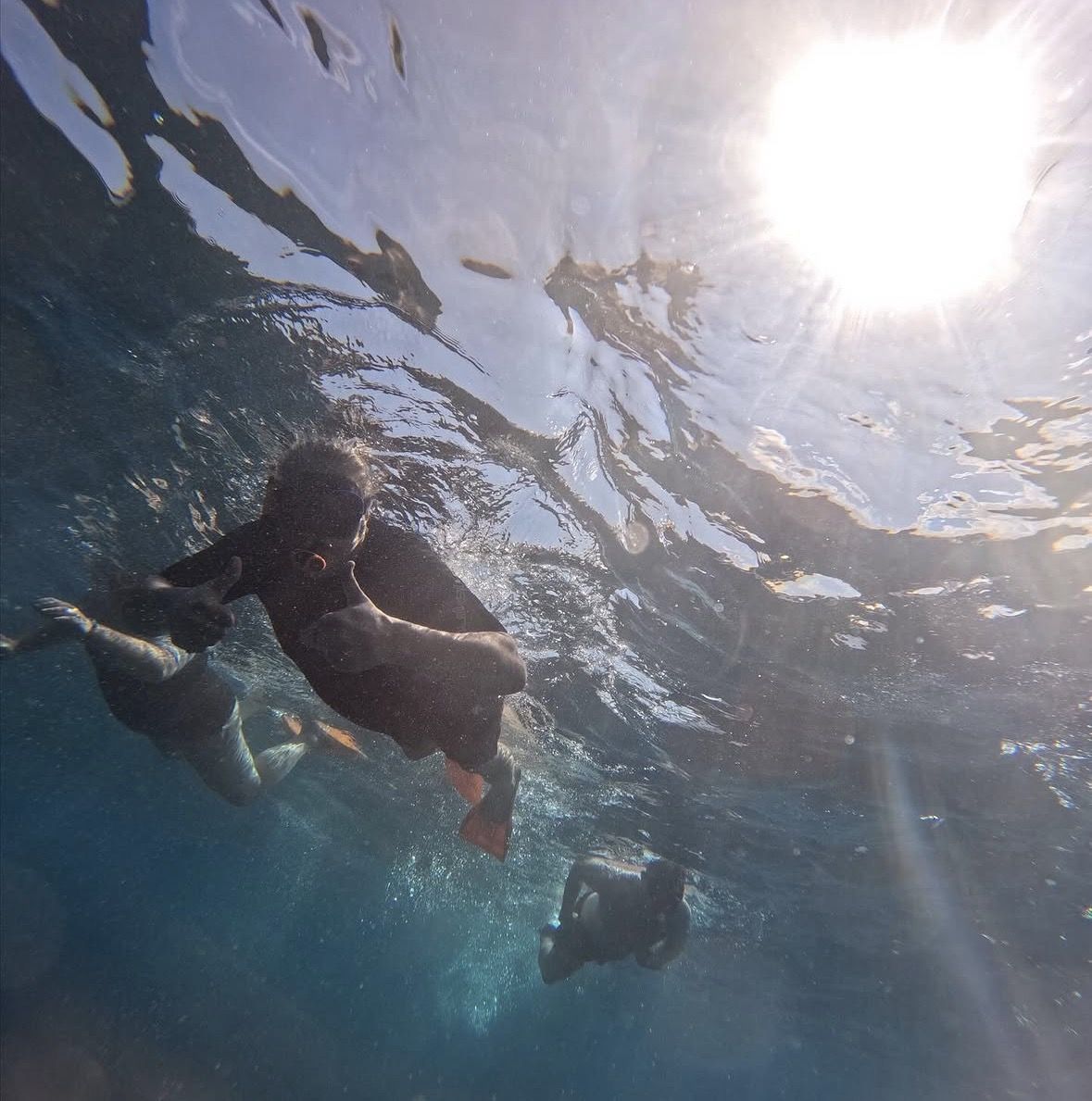
Today, Nusa Penida occupies a fascinating and sometimes paradoxical position as Bali's wildest major attraction. Fast boats depart Sanur and Padang Bai on Bali's eastern coast throughout the day, delivering visitors to the island's main hub at Sampalan or the purpose-built pier at Toyapakeh in as little as 30 minutes. Yet despite the surge in visitor numbers — the island received an estimated 1.5 million tourists in peak pre-pandemic years — Nusa Penida retains a rawness and authenticity that more developed Balinese resort areas have long since lost. Roads remain challenging, electricity can be unreliable in remote villages, and the island's dramatic cliffs and hidden beaches still demand genuine effort to reach, naturally filtering for adventurous and curious travellers.
The island's spiritual traditions continue undimmed alongside its tourism economy, with temple ceremonies, offerings, and the deep rhythms of Balinese Hindu life providing a cultural counterpoint to the Instagram-driven visitor experience. Responsible tourism operators now work alongside local communities and conservation organisations to protect both the marine ecosystems and the cultural integrity of island life. Whether you are drawn by the prehistoric silhouette of Kelingking's cliff, the gentle giants circling at Manta Point, the sacred stones of Pura Dalem Ped, or simply the sensation of standing somewhere that still feels genuinely untamed, Nusa Penida rewards every traveller willing to make the crossing. This is Bali's most compelling chapter — ancient, wild, and entirely unmissable.
Ready to Experience It Yourself?
From manta ray encounters at Manta Point to sunrise views over Kelingking Beach, Nusa Penida's wonders are best experienced with a knowledgeable local guide who can navigate the island's hidden gems safely and responsibly. Browse our handpicked selection of top-rated Nusa Penida day tours and multi-day packages, all bookable instantly with free cancellation options. Secure your spot now — the island's most iconic experiences sell out fast, especially during Bali's peak season.
Book Your Tour Now